


What is Luxury? Imagine a billionaire who owns a Rolls-Royce Phantom worth around $700,000 and a Boeing BBJ 777X valued at about $449 million.
Now consider this: could a Kashmiri Kani Shawl priced at just $1,500 or a pair of handcrafted Italian leather gloves priced at around $1,200 still be luxury items for someone like him?
The answer is yes – absolutely.
A luxury item does not have to carry a million-dollar price tag. Even something that costs $1,000 or $1,500 can be considered a luxury product.
The world offers countless objects with extraordinary price tags, but price alone does not define luxury.
Luxury is not defined by its cost. It is defined by its character. Exceptional quality, rarity, craftsmanship, heritage, exclusivity, and the experience it offers are the qualities that transform an ordinary object into something truly extraordinary.
What Makes Something Truly Luxurious?
Luxury is more than a high price tag. It is a philosophy built on a unique combination of qualities that set an object apart from the ordinary.
The following are some of the defining characteristics of a luxury item.
1. Exceptional Quality
Exceptional quality is the foundation of every luxury product. Premium raw materials, meticulous manufacturing, flawless finishing, and long-lasting durability are never compromised.
The Rolls-Royce Phantom, Audemars Piguet watches, Steinway & Sons pianos, the Montblanc Meisterstuck fountain pen, and the Hermès Birkin bag are admired around the world for their outstanding quality.
2. Master Craftsmanship
Luxury products are not created by machines alone. They are shaped by the skill, experience, patience, and dedication of master artisans. In many cases, several highly trained craftsmen and specialists work together to create a single piece.
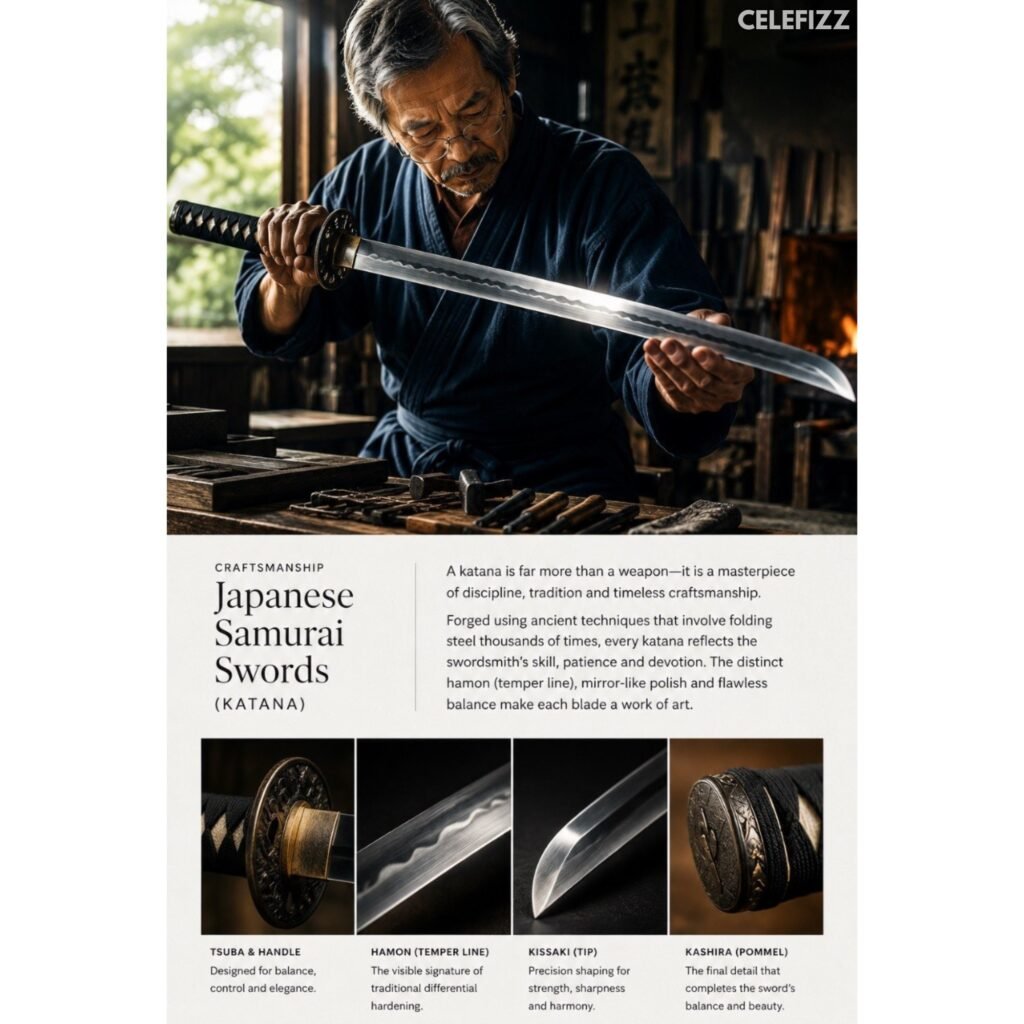
Banarasi silk sarees, Vacheron Constantin mechanical watches, Lalique crystal, Murano glass, Japanese samurai swords (Katana), and the intricate brass craftsmanship of Moradabad are excellent examples of exceptional craftsmanship.
3. Time and Patience
Time is one of the most valuable ingredients of luxury.
Behind every exceptional luxury product lies months – or sometimes years – of skilled craftsmanship, patience, and dedication. It is this investment of time that gives many luxury objects their true value.
A fine Kashmiri Kani shawl may take six months to a year to complete.
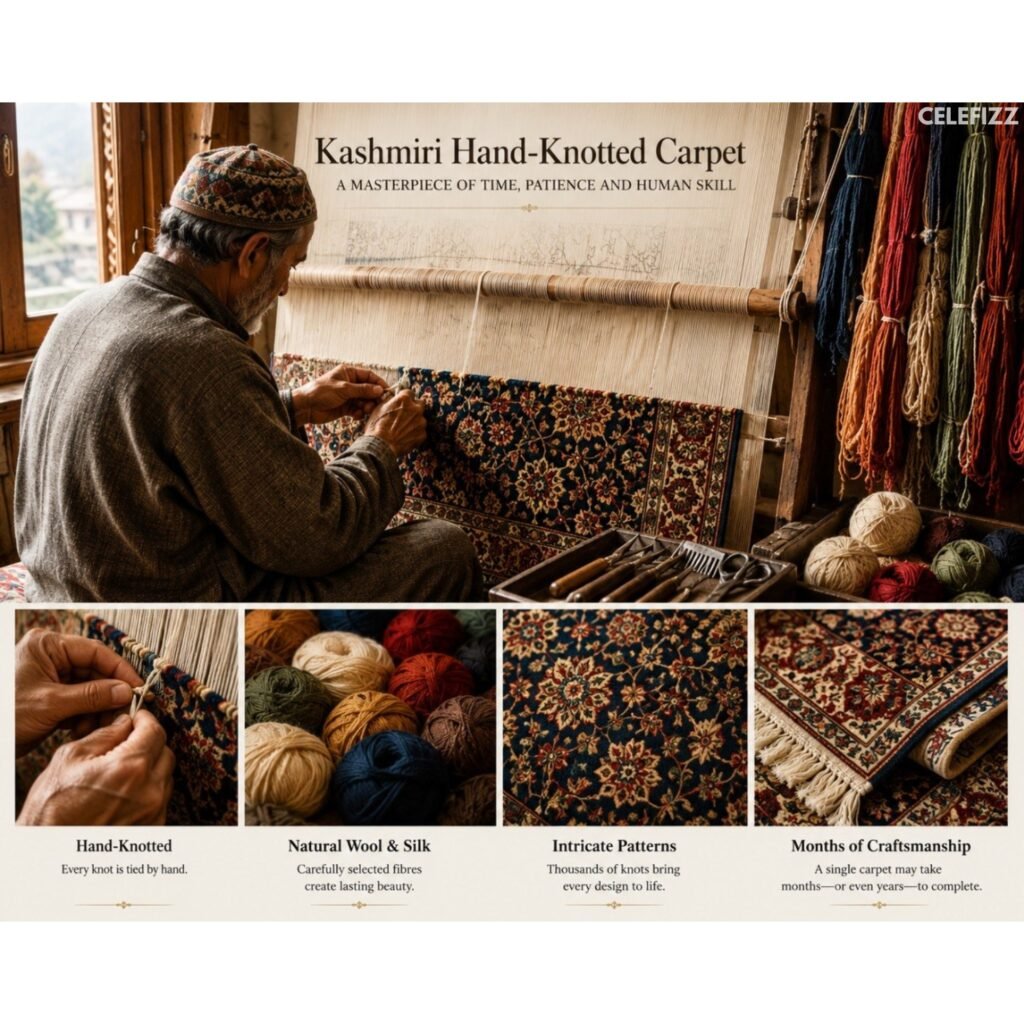
A hand-knotted Kashmiri or Persian carpet can require anywhere from six months to two years.
Similarly, a hand-embroidered Zardozi ensemble or a Harris Tweed jacket often represents months of meticulous work.
4. Rarity
Luxury is often closely linked with rarity. When something is produced in limited quantities or made from rare materials, its desirability naturally increases.
Limited availability may result from scarce raw materials, highly specialized craftsmanship, or the time required to create each piece. Whatever the reason, rarity often enhances both value and appeal.
Limited Edition Rolex Daytona watches, Patek Philippe Grand Complications, natural pearls, and Argyle Pink Diamonds are among the finest examples of rarity.
However, rarity can change over time. New technology and better production methods can make rare materials easier to obtain. As a result, something that was once considered a luxury may become an everyday product.
Aluminium is perhaps the most fascinating example of this.
As Yuval Noah Harari notes in his bestselling book Sapiens, although aluminium was discovered in the 1820s, extracting it from its ore was extremely difficult and costly. For decades, aluminium was more valuable than gold.
Today, that idea seems almost unbelievable. We casually use aluminium foil to wrap leftover food, yet there was a time when aluminium was considered one of the world’s most luxurious materials simply because it was so rare.
Did You Know?
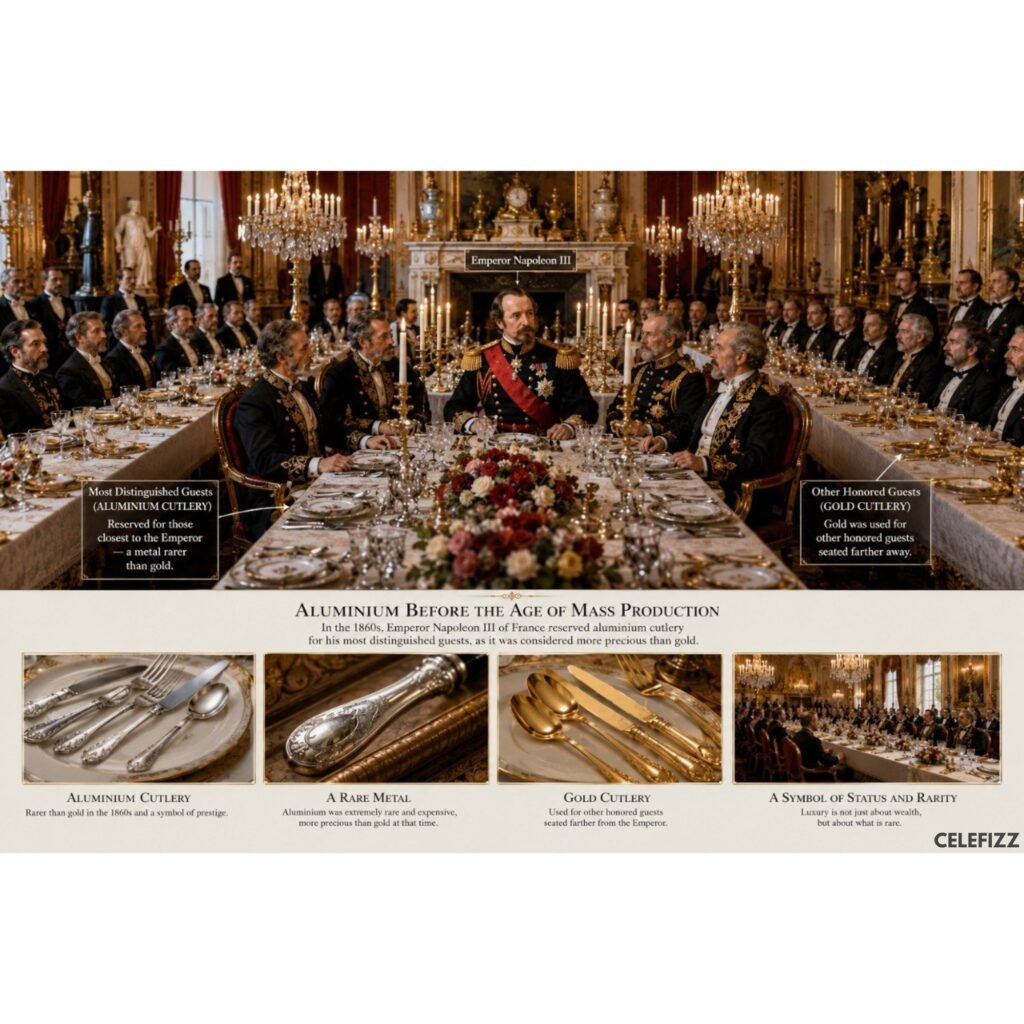
In the 1860s, at a state banquet hosted by Emperor Napoleon III of France, aluminium cutlery was reserved for his most distinguished guests, while other honoured guests dined with gold knives and forks. At the time, aluminium was considered even more precious than gold.
Source: Sapiens: A Brief History of Humankind — Yuval Noah Harari
5. Exclusivity
Some luxury products are intentionally produced in very limited numbers, making them unavailable to most people. Others are created exclusively for a particular client, reflecting personal tastes and preferences.
Rolls-Royce Bespoke cars, bespoke leather shoes, hand-tailored suits from Savile Row, limited-edition Ferrari models, Richard Mille watches, and the Hermès Birkin Himalaya bag are outstanding examples of exclusivity.
6. Heritage and History
Luxury is often enriched by heritage. Many iconic luxury products carry with them decades—or even centuries—of history, tradition, and cultural significance.
Banarasi silk sarees, Fabergé Eggs, Royal Delft porcelain, Jaeger-LeCoultre watches, Meissen porcelain, and Louis Vuitton are admired not only for their quality but also for the remarkable heritage they represent.
Heritage luxury is not limited to objects. It also extends to places.
Hotels such as The Raj Palace Jaipur, Rambagh Palace Jaipur, and The Taj Lake Palace Udaipur were once royal residences. A stay in these palaces offers more than comfort and elegance—it allows guests to walk through the same halls, gardens, and courtyards once occupied by kings and queens. Their enduring appeal lies not only in luxury but also in the rich history they preserve.
7. Design and Aesthetics
Luxury is not defined by craftsmanship alone. It is equally distinguished by exceptional design and aesthetics. A truly luxurious product is not only well made but also visually timeless, elegant, and instantly recognizable.
Baccarat crystal, Cartier jewellery, the Ferrari Roma, and Bang & Olufsen audio products are celebrated for their outstanding design.
8. Experience
One of the defining qualities of luxury is the unique experience it creates. Owning a beautifully crafted object, staying in a magnificent palace hotel, or travelling in exceptional comfort offers a feeling that goes far beyond the product itself.
A journey aboard the Orient Express, a stay at The Ritz Paris, flying Emirates First Class, or dining at a Michelin-starred restaurant can create memories that last a lifetime.
9. Personalization (Bespoke)
Luxury is often personal. Many luxury brands create products tailored to the individual preferences and requirements of their clients, making each piece truly one of a kind.
Bespoke suits from Savile Row, John Lobb bespoke shoes, the Rolls-Royce Bespoke Programme, and custom-made jewellery are outstanding examples of personalized luxury.
10. Emotional and Cultural Value
Some objects become luxurious because of the emotions, memories, or cultural significance they carry. Their value goes far beyond the materials from which they are made.
Pichwai paintings, Tanjore paintings, Fabergé Eggs, Stradivarius violins, and original works by renowned artists are treasured not only for their beauty but also for their deep emotional and cultural value.
11. Authenticity
Authenticity is another defining characteristic of luxury. A genuine luxury product carries the assurance of its origin, craftsmanship, and identity.
GI-tagged Banarasi sarees, authentic Kashmiri Pashmina, Swiss Made watches, and certified original artworks are highly valued because of their authenticity.
As the demand for luxury products continues to grow, counterfeit versions have become increasingly common. For this reason, verifying authenticity is essential before investing in any luxury item.
Luxury vs Premium
Luxury and premium are often used interchangeably, but they are not the same.
A premium product is defined by its superior quality, advanced features, and an enhanced user experience. Its purpose is to offer better performance, greater comfort, or higher reliability than an ordinary product.
A luxury product goes a step further. In addition to exceptional quality and performance, it often embodies qualities such as rarity, craftsmanship, heritage, exclusivity, and cultural significance. These characteristics place luxury in a category of its own.
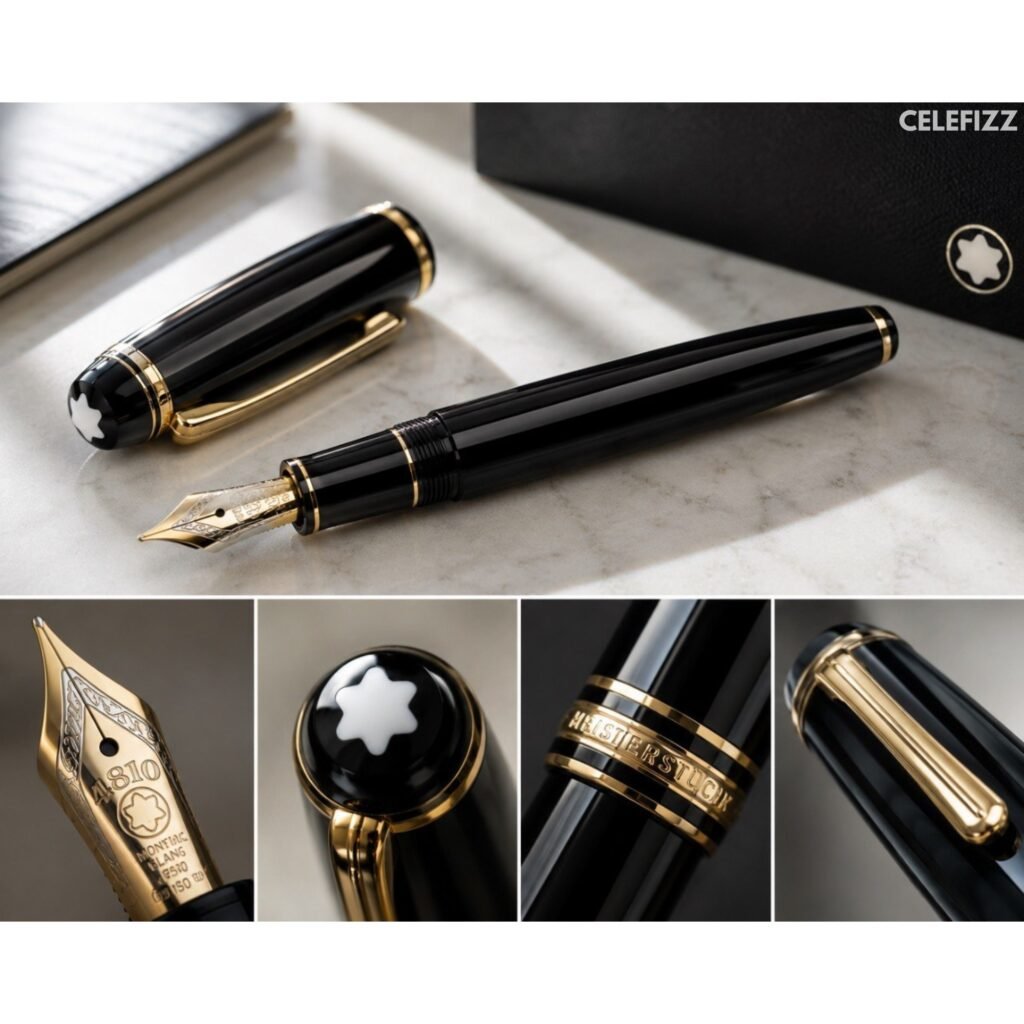
Consider this example. An iPhone is widely regarded as a premium product because of its high-quality design, advanced technology, and excellent user experience. A Montblanc Meisterstück fountain pen, which may cost a similar amount, is a luxury item. Its value comes not only from its quality but also from its handcrafted gold nib, decades of heritage, and the meticulous artisanship behind every pen.
Although an iPhone and a Montblanc pen may carry similar price tags, the reasons they are considered valuable are entirely different.
Luxury vs Status Symbol
Luxury and status symbols are often confused because both usually involve spending a significant amount of money. However, they represent two very different ideas.
Luxury is about personal satisfaction, exceptional experiences, and the joy of owning or using something truly special. A status symbol, on the other hand, is primarily about displaying wealth, success, or social standing to others.
Interestingly, the same object can be both a luxury item and a status symbol. The difference lies not in the object itself, but in the intention of the person who owns it.
For example, one person buys a Steinway & Sons Grand Piano worth around $100,000 because they practice music every day and appreciate its extraordinary sound quality. For them, the piano is a luxury.
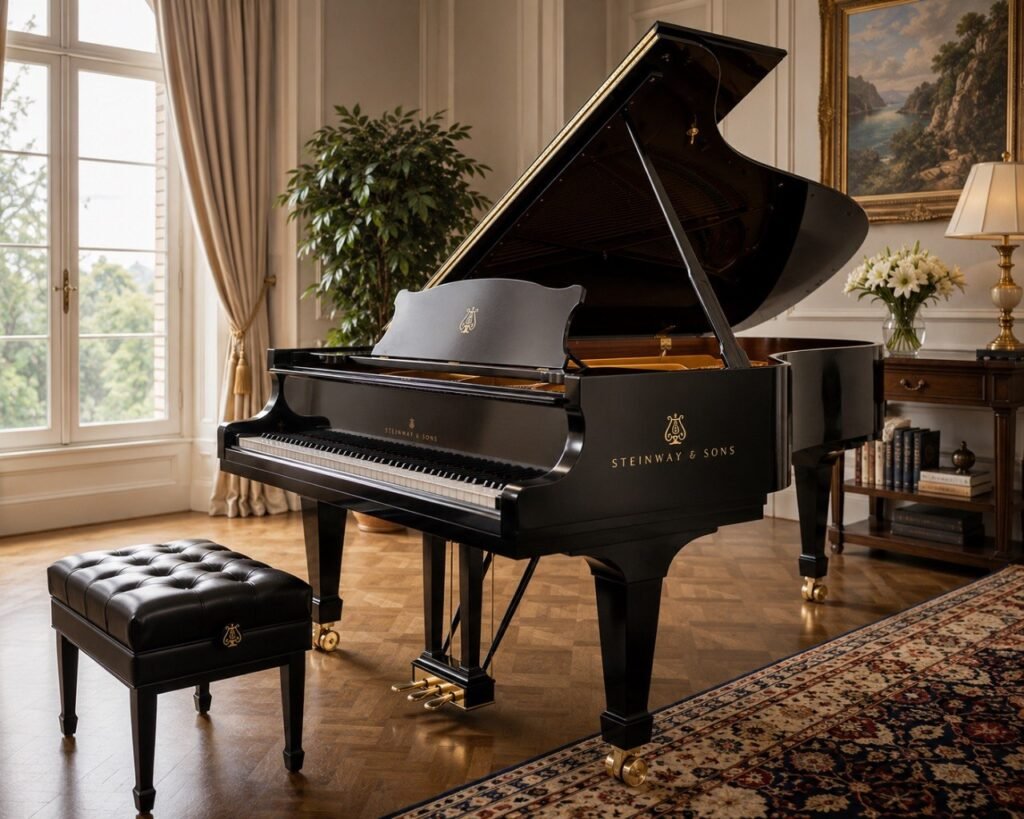
Another person buys the very same piano simply to display it in the living room. It is rarely, if ever, played. Its primary purpose is to impress guests and showcase wealth. In this case, the piano becomes a status symbol.
The object remains exactly the same, but its meaning changes because the owner’s intention is different.
In simple terms, luxury is about the satisfaction and enjoyment it brings to the person who owns it. A status symbol is about how others perceive that ownership.
Luxury, premium, and status symbols are closely related, but they are not the same. Sometimes they overlap, and sometimes they do not. Whether a product is seen as a luxury or a status symbol often depends on how people see and use it. A premium product may be perceived as a luxury, while a luxury product may be used as a status symbol.
| Criteria | Luxury | Premium | Status Symbol |
|---|---|---|---|
| Primary Purpose | Personal satisfaction and enjoyment | Superior quality and performance | Impressing others |
| Focus | The owner’s own feelings and experience | The product’s technical excellence | How others perceive the owner |
| Key Qualities | Rarity, heritage, craftsmanship, experience | Quality, technology, advanced features | High price and visible display, regardless of use |
| Heritage | Often tied to centuries-old tradition | Not necessarily | Not necessarily |
| Example | A Steinway piano played daily for the love of music | An iPhone | The same piano displayed but rarely played, meant to impress guests |
| Can it change without changing the object? | Yes — depends entirely on the owner’s intention | No — quality is inherent to the product itself | Yes — depends entirely on the owner’s intention |
Understanding these differences helps us appreciate how vast the world of luxury really is.
How Vast Is the World of Luxury?
Where does luxury exist? Is it limited to owning a Rolls-Royce or a private jet?
Not at all.
Luxury is present in almost every aspect of life. It can be found in cars, watches, furniture, musical instruments, fashion, jewellery, pens, cosmetics, perfumes, and countless other products. It also extends to art, paintings, hotels, fine dining, and even the world of food and beverages.
Luxury is not a product – it is a standard of excellence. It has no single form. It can be found wherever exceptional quality, craftsmanship, heritage, exclusivity, and remarkable experiences come together. From cars and watches to fine art, hotels, fashion, food, and travel, luxury can exist in almost every aspect of life. That is why it cannot be confined to a particular product, category, or industry.
Why Do People Desire Luxury?
Throughout history, many philosophers and thinkers have praised the virtues of a simple life.
More than 170 years ago, the renowned naturalist Henry David Thoreau expressed a similar idea in his celebrated book Walden:
“A man is rich in proportion to the number of things which he can afford to let alone.”
He argued that people should not burden themselves with unnecessary possessions but instead live simply and remain close to nature.
Yet despite this timeless wisdom, human beings have always been drawn to objects of exceptional beauty, craftsmanship, and rarity.
Why is that?
Perhaps the answer lies in human psychology, our appreciation of beauty, and our natural desire to seek the very best.
There is no single answer to this question. However, human behavior suggests that our attraction to luxury is often driven by several factors:
1. The desire to enjoy exceptional experiences.
2. Personal satisfaction and happiness.
3. Appreciation for art and master craftsmanship.
4. A desire to preserve heritage and history.
5. The fascination with collecting rare and exceptional objects.
6. The desire for social recognition and the display of success.
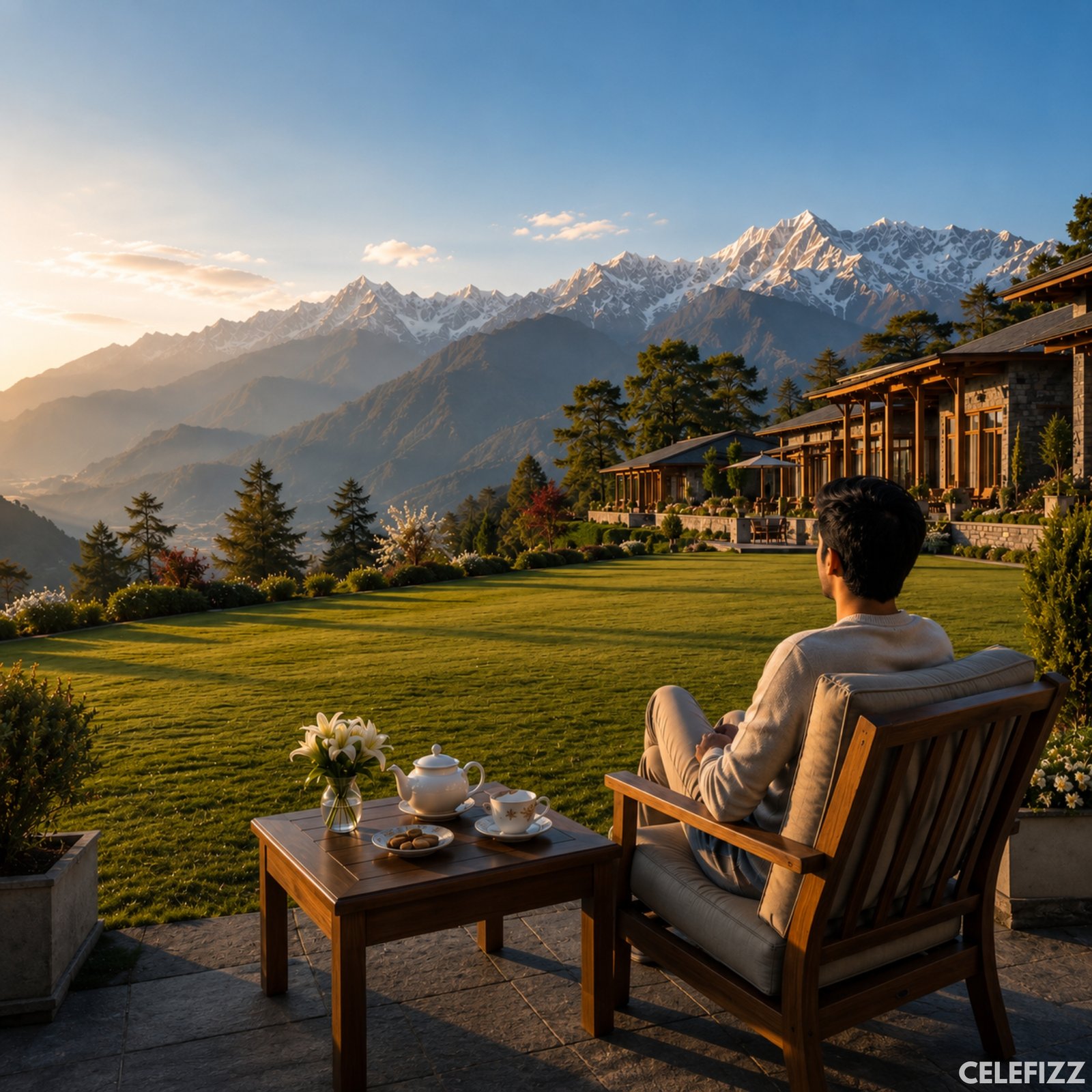
Peace, Solitude, and Time for Yourself: The New Face of Luxury
The world today is wealthier than ever before. Incomes have risen, and luxury products and experiences are more accessible than they once were. Yet, at the same time, the meaning of luxury is evolving.
Interestingly, for people who already own expensive cars, fine watches, jewellery, and other material luxuries, the greatest aspiration is often no longer another possession. Instead, it is something far more elusive—time for themselves, solitude, privacy, and peace of mind.
For many, these have become the rarest and most valuable forms of luxury.
Private island retreats, digital detox resorts, and remote luxury properties command extraordinary prices, not because they offer more possessions, but because they offer an escape from noise, crowds, constant connectivity, and the relentless pace of modern life.
This is the new face of luxury – intangible luxury.
It is not confined to any one part of the world. From the rainforests of Canada to the monasteries of Italy, from the cloud forests of Costa Rica to the Himalayan foothills of India and the sacred valleys of Bhutan, a growing number of retreats offer little more than silence, seclusion, and time. Yet travellers are willing to pay a premium for exactly these experiences.
Here is a glimpse of what this new form of intangible luxury looks like around the world.
| Resort (Location) | Signature Features | Price |
|---|---|---|
| Nimmo Bay Wilderness Resort, British Columbia, Canada | Floating saunas, cedarwood hot tubs, heli-hiking, bear-watching; accessible only by helicopter or seaplane; no phone signal | From $2,799 CAD/night per person (~$1,987 USD) |
| Eremito, Umbria, Italy | Restored 14th-century monastery; no TV, Wi-Fi, or phone signal; silent candlelit dinners; solar-powered | From €230/night (~$262 USD) |
| ORIGINS Lodge, Costa Rica | Cloud-forest roundhouses 3,100 ft above sea level; volcanic-stone showers; valley-facing hot tubs; views of Lake Nicaragua and Tenorio Volcano | From $1,043 USD/night |
| Little Palm Island Resort & Spa, Florida Keys, USA | Private 5.5-acre island, boat-access only; no phones, TVs, or guests under 16; only 30 suites | From $2,405 USD/night |
| Ananda in the Himalayas, Uttarakhand, India | A former Maharaja’s palace in the Himalayan foothills overlooking the Ganges; Ayurveda, yoga, and Vedanta-based wellness programmes; no guests under 14 | From $1,840 USD/night (comprehensive wellness package) |
| Amankora, Bhutan (5 lodges) | A pilgrimage-style journey across five forest lodges in Paro, Thimphu, Punakha, Gangtey, and Bumthang; only 72 suites nationwide; private guides; 2 MICHELIN Keys | From $1,200–$1,500/night per person (plus $100/night government Sustainable Development Fee) |
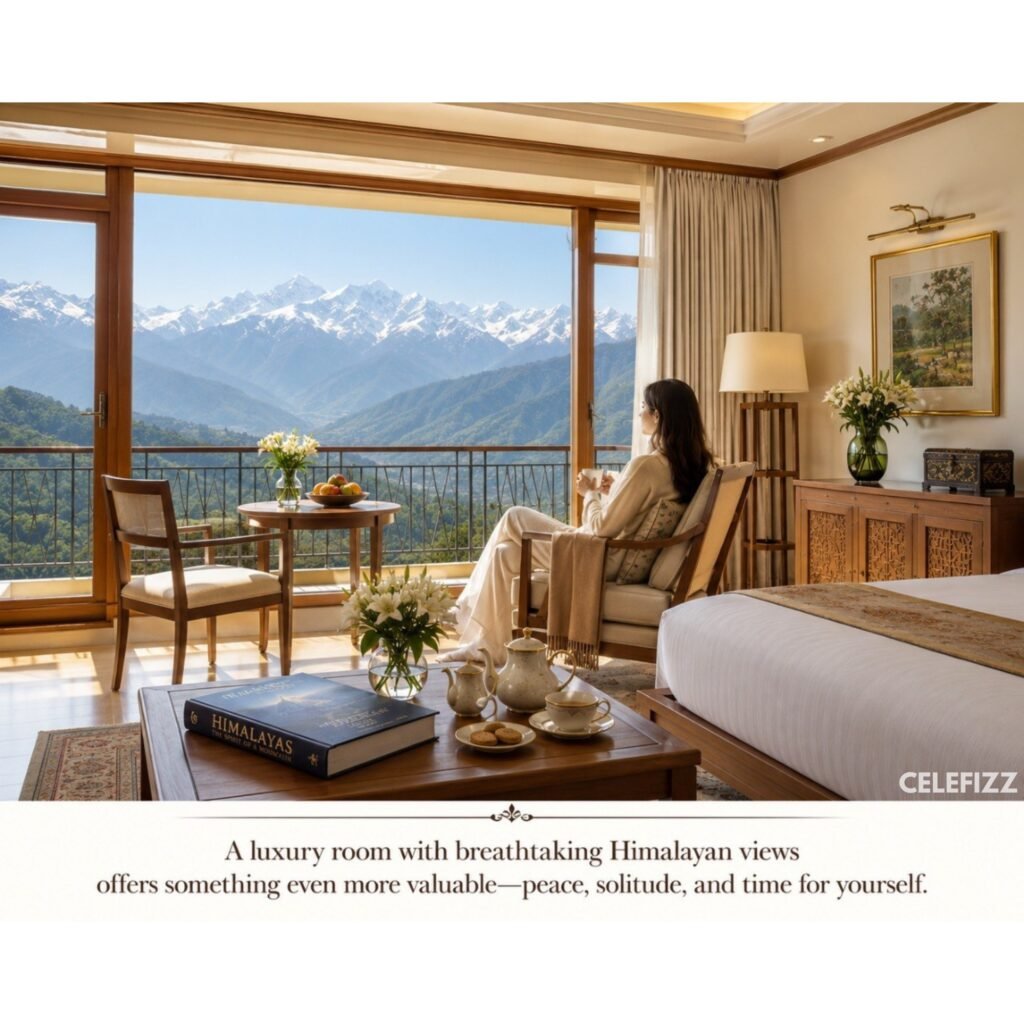
This does not mean that expensive cars, fine watches, or exquisite jewellery have lost their appeal. Rather, it means that the world of luxury has grown broader than ever before. Today, luxury is defined not only by exceptional objects but also by extraordinary experiences, peace, solitude, and time for yourself.
Conclusion
Luxury is not defined by price. It is defined by excellence, quality, craftsmanship, heritage, exclusivity, and exceptional experiences. In the past, people mostly associated luxury with extraordinary objects. They still do. But today, the meaning of luxury has grown.
Today, luxury is no longer limited to extraordinary objects. Peace, solitude, and time for oneself have become some of the most valued luxuries of modern life.
